
Our Story
In 2017, a circle of visionary changemakers from the divest-invest movement came together with a bold, justice-driven vision
In 2017, a circle of visionary changemakers from the divest-invest movement came together with a bold, justice-driven vision: to dismantle extractive systems rooted in fossil fuels and nurture regenerative, community-rooted energy solutions- especially where they were most urgently needed. They understood that the future of energy must be clean, decentralised, and rooted in equity and care for both people and the Earth.
With the solidarity and support of pioneering allies—Sustainable Energy for All, the IKEA Foundation, Green Faith, the Wallace Global Fund and the Charles Stewart Mott and DOEN Foundations- SHINE was born.
SHINE began as a campaign: a clarion call to reimagine energy through an ecofeminist lens—centring justice, interconnectedness, and the leadership of those closest to the frontlines of energy poverty. Through research, advocacy, and seed funding for grassroots innovators, SHINE helped bring renewable energy to the last mile, where colonial and patriarchal systems had long left communities in the dark.
Over time, SHINE grew from a campaign into a living, breathing movement. By 2023, it had transformed into a catalyst for deep systems change—one that deliberately shifted its focus to resourcing and uplifting community-driven, women-led renewable energy solutions. This evolution was not only about shifting technology; it was about redistributing power, reweaving relationships, and centring care in the transition.
SHINE now pulses at the heart of a growing global ecosystem rooted in Africa. It mobilises resources to seed and scale women-led cooperatives, energy collectives, and climate justice movements that are building resilient, regenerative economies powered by sun, wind, and solidarity. In Zimbabwe, Malawi, South Africa, and beyond, SHINE supports the flourishing of locally-owned, democratised energy systems that honour the wisdom of women, the sovereignty of communities, and the healing of Earth.
The path ahead is vibrant and full of promise. With each community SHINE walks alongside, each cooperative it nourishes, and each policy it helps transform, SHINE continues to illuminate a future where clean energy is not a commodity—but a commons. A right. And a sacred responsibility shared by all
Our Story
In 2017, a circle of visionary changemakers from the divest-invest movement came together with a bold, justice-driven vision: to dismantle extractive systems rooted in fossil fuels and nurture regenerative, community-rooted energy solutions- especially where they were most urgently needed. They understood that the future of energy must be clean, decentralised, and rooted in equity and care for both people and the Earth.
With the solidarity and support of pioneering allies—Sustainable Energy for All, the IKEA Foundation, Green Faith, the Wallace Global Fund and the Charles Stewart Mott and DOEN Foundations- SHINE was born.
SHINE began as a campaign: a clarion call to reimagine energy through an ecofeminist lens—centring justice, interconnectedness, and the leadership of those closest to the frontlines of energy poverty. Through research, advocacy, and seed funding for grassroots innovators, SHINE helped bring renewable energy to the last mile, where colonial and patriarchal systems had long left communities in the dark.
Over time, SHINE grew from a campaign into a living, breathing movement. By 2023, it had transformed into a catalyst for deep systems change—one that deliberately shifted its focus to resourcing and uplifting community-driven, women-led renewable energy solutions. This evolution was not only about shifting technology; it was about redistributing power, reweaving relationships, and centring care in the transition.
SHINE now pulses at the heart of a growing global ecosystem rooted in Africa. It mobilises resources to seed and scale women-led cooperatives, energy collectives, and climate justice movements that are building resilient, regenerative economies powered by sun, wind, and solidarity. In Zimbabwe, Malawi, South Africa, and beyond, SHINE supports the flourishing of locally-owned, democratised energy systems that honour the wisdom of women, the sovereignty of communities, and the healing of Earth.
The path ahead is vibrant and full of promise. With each community SHINE walks alongside, each cooperative it nourishes, and each policy it helps transform, SHINE continues to illuminate a future where clean energy is not a commodity—but a commons. A right. And a sacred responsibility shared by all
Our Vision
SHINE envisions thriving local economies powered by community-controlled, decentralized renewable energy systems. They strive for a more democratic future where women lead and shape sustainability rooted in self-determination, care, cooperation, solidarity, and well-being for all.
Our Mission
SHINE resources women-led community organizations and enterprises by providing funding for renewable energy access to improve livelihoods, wellbeing, and climate resilience. The organization scales successful pilot initiatives, builds strong partnerships, and advocates for policy changes to promote a people-centered, inclusive Just Energy Transition.
SHINE Core Beliefs
Our foundational tenets guide every system we engineer, every local leader we support, and every community system we establish.
Energy as a Right, Not a Commodity
Energy must be treated as a basic human right and a shared common—accessible to all, especially those historically excluded. Women, Indigenous peoples, and frontline communities must shape how energy is owned, produced, and distributed.
Centring Women’s Leadership and Community Wisdom
Women—especially those in rural, low-income, and marginalised communities—are often primary energy users and stewards of community wellbeing. Their knowledge and leadership must be centered in the design, governance, and implementation of renewable energy systems.
Decentralisation and Community Control
Decentralised, locally governed renewable energy systems reduce dependency on exploitative fossil fuel regimes and restore agency to communities. Energy democracy is fundamental to economic sovereignty and resilience.
Care and Interdependence as Core Values
Energy systems must be built on principles of care—for people, ecosystems, and future generations. An energy transition must support livelihoods, social reproduction, and ecological restoration—not just decarbonisation.
Redistributing Power and Resources
A just transition requires shifting financial, technical, and political power away from corporate control and toward community-led, women-driven initiatives. This includes reparative investments in historically disinvested regions and populations.
Healing Extractive Histories
From colonisation to fossil fuel dependency, energy systems have been sites of exploitation. A feminist just transition reckons with this legacy by prioritising healing, reparations, and systemic transformation over green growth or techno-fixes.
Regenerative Economies Rooted in Place
Climate-just local economies must be regenerative—nourishing both human and ecological life. Energy access must support agroecology, care work, artisanal production, and other community-rooted livelihoods that restore the Earth and build collective resilience.
Intergenerational Justice
Energy systems must honor the rights of future generations. Long-term sustainability, not short-term profit, should guide all energy policy, practice, and investment.
Intersectionality in Climate and Energy Justice
Feminist energy justice must address the intersecting impacts of race, class, gender, disability, and geography. No solution is just unless it is inclusive of all identities and lived realities.
Narrative Shifts and Cultural Transformation
We must challenge dominant narratives of growth, control, and extraction, and uplift stories that celebrate cooperation, regeneration, and community care. A feminist energy transition is also a cultural one.

Mela Chiponda
Director

Tsitsi Mashandudze
Program Officer

Karen Gwanzura
Admin Officer

Mikhail Aruberito
Knowledge and Learning Officer
Ready to Shape the Future With Us?
Join our warm, collaborative community. Gain instant access to our resource library, build relationships with like-minded pioneers, and design a sustainable pathway forward.
The Story of SHINE
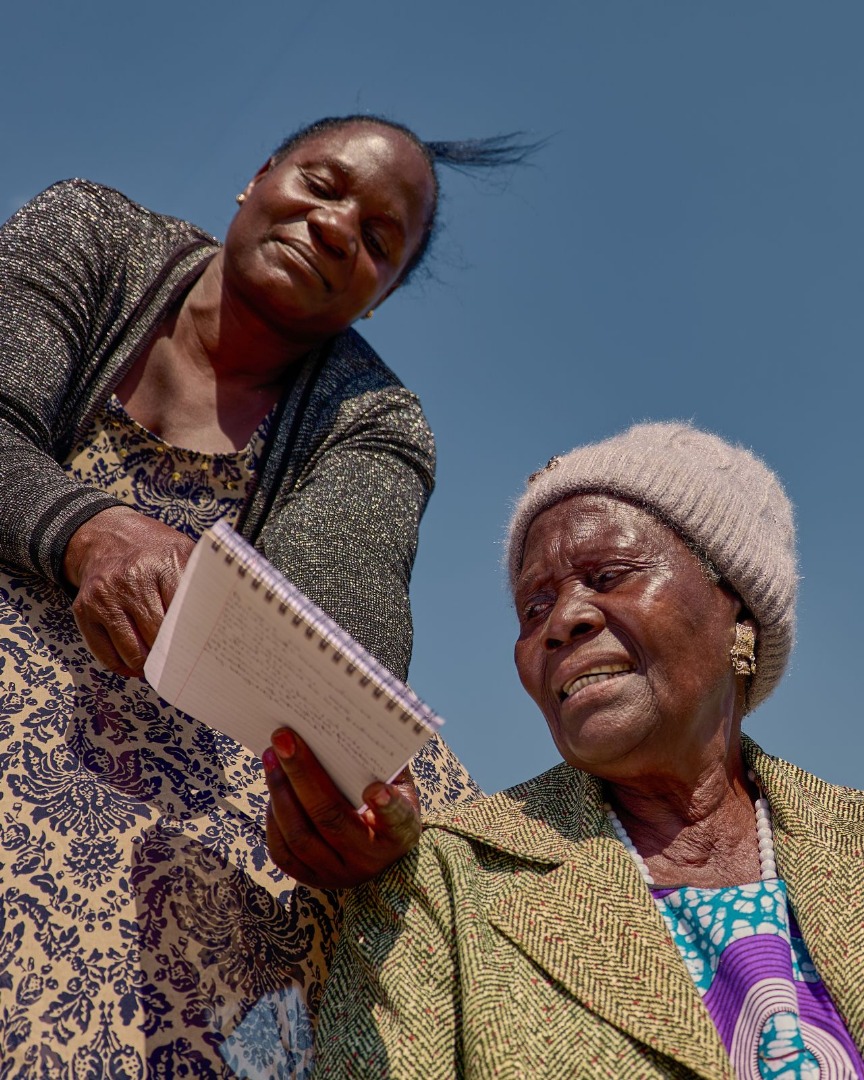
In 2017, a circle of visionary changemakers from the divest-invest movement came together with a bold, justice-driven vision: to dismantle extractive systems rooted in fossil fuels and nurture regenerative, community-rooted energy solutions- especially where they were most urgently needed. They understood that the future of energy must be clean, decentralised, and rooted in equity and care for both people and the Earth.
With the solidarity and support of pioneering allies—Sustainable Energy for All, the IKEA Foundation, Green Faith, the Wallace Global Fund and the Charles Stewart Mott and DOEN Foundations- SHINE was born.
SHINE began as a campaign: a clarion call to reimagine energy through an ecofeminist lens—centring justice, interconnectedness, and the leadership of those closest to the frontlines of energy poverty. Through research, advocacy, and seed funding for grassroots innovators, SHINE helped bring renewable energy to the last mile, where colonial and patriarchal systems had long left communities in the dark.
Over time, SHINE grew from a campaign into a living, breathing movement. By 2023, it had transformed into a catalyst for deep systems change—one that deliberately shifted its focus to resourcing and uplifting community-driven, women-led renewable energy solutions. This evolution was not only about shifting technology; it was about redistributing power, reweaving relationships, and centring care in the transition.
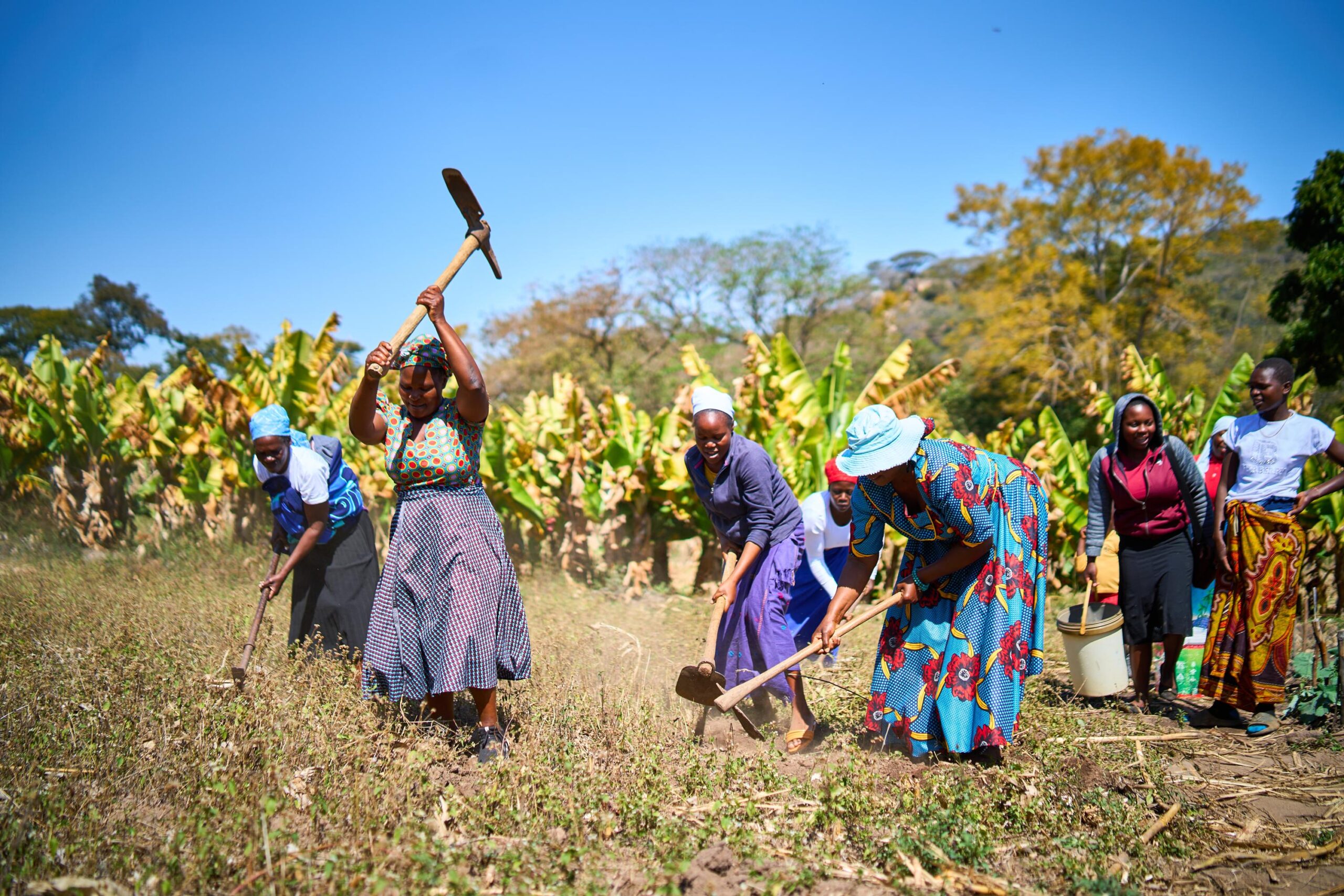
SHINE now pulses at the heart of a growing global ecosystem rooted in Africa. It mobilises resources to seed and scale women-led cooperatives, energy collectives, and climate justice movements that are building resilient, regenerative economies powered by sun, wind, and solidarity. In Zimbabwe, Malawi, South Africa, and beyond, SHINE supports the flourishing of locally-owned, democratised energy systems that honour the wisdom of women, the sovereignty of communities, and the healing of Earth.
The path ahead is vibrant and full of promise. With each community SHINE walks alongside, each cooperative it nourishes, and each policy it helps transform, SHINE continues to illuminate a future where clean energy is not a commodity—but a commons. A right. And a sacred responsibility shared by all