
PROGRAMMES
Our Programme Areas
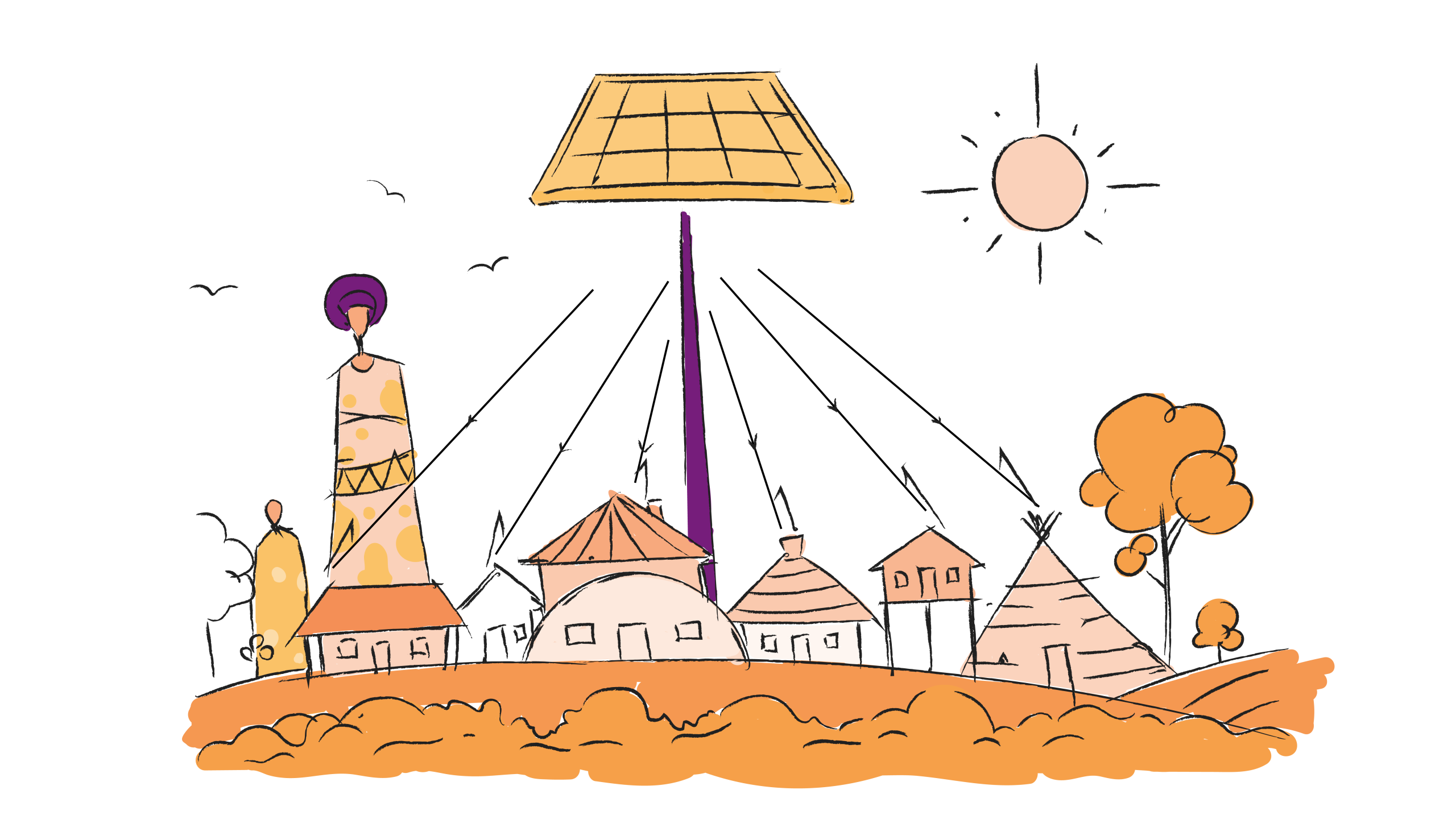
Women-Led Renewable Energy, Livelihoods & Just Transition
SHINE supports women and frontline communities to own, govern and benefit from decentralized renewable energy solutions. The programme connects energy access with livelihoods, food sovereignty, climate resilience and the care economy.
This includes women-led solar enterprises and productive-use technologies; community-controlled renewable energy hubs; clean cooking and decentralized energy; climate-resilient agro-processing; and demonstration of practical alternatives in mining- and energy-transition landscapes.
Core idea: Energy justice is not simply about connecting communities to electricity—it is about who owns the energy, who makes decisions, who benefits, and what that energy enables communities to build.
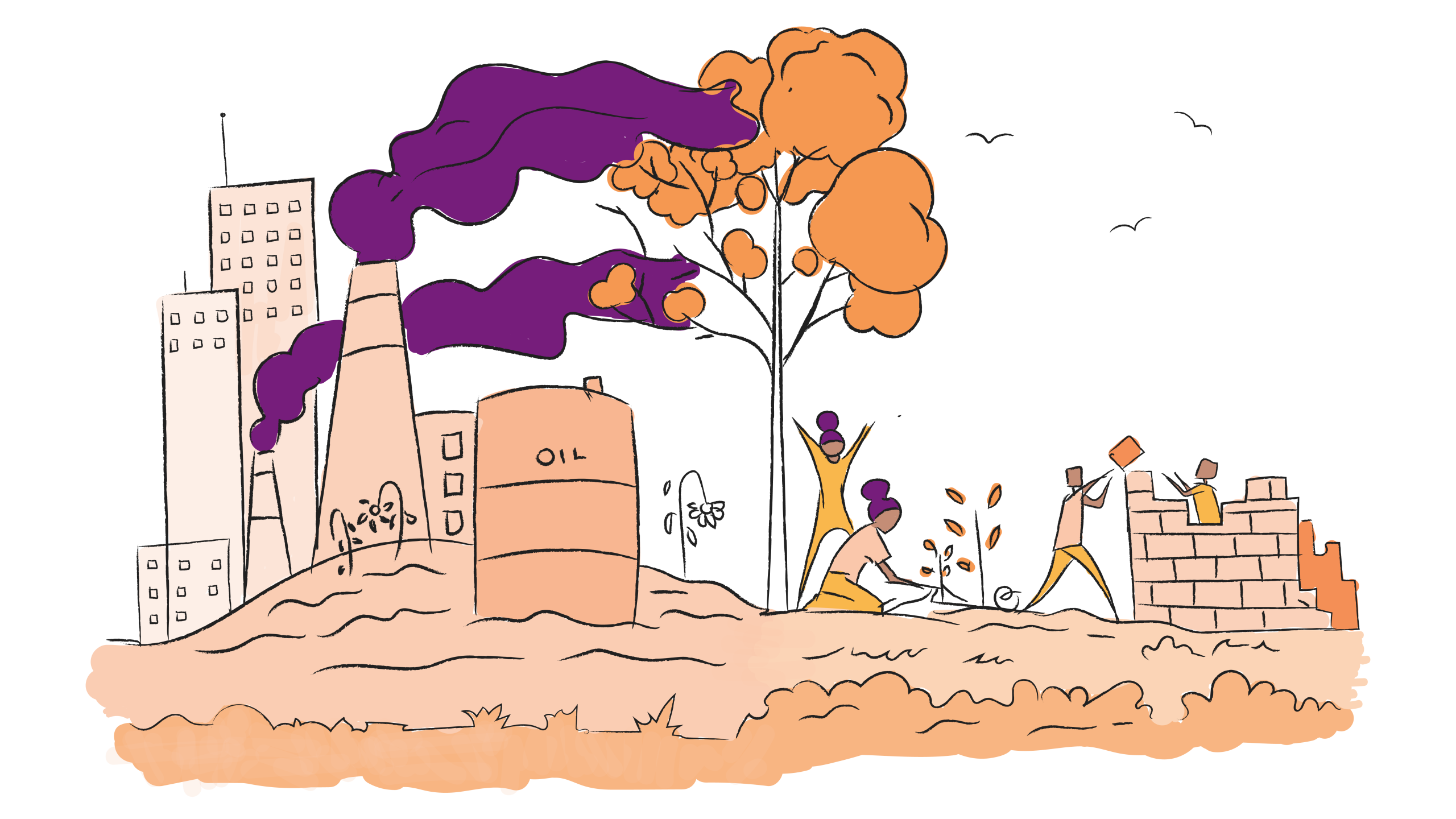
Extractives, Critical Minerals & Feminist Just Transition
SHINE works with women and mining-affected communities to challenge the social, ecological and gendered harms associated with extractivism and the rapidly expanding demand for transition minerals.
The programme focuses on lithium and other critical-mineral corridors; artisanal and small-scale mining; mine closures and post-mining communities; land and water rights; corporate and state accountability; community participation in mineral governance; and feminist alternatives to extractive models of development.
Rather than accepting that a transition is automatically “just” because it replaces fossil fuels with renewable technologies.
SHINE asks: Just for whom? Who carries the costs? Who controls the minerals, land and water? Who captures the benefits?
Women’s Movement Building, Leadership & Energy Democracy
SHINE strengthens the collective power, leadership and organising capacity of women and girls, particularly rural women, young women, women environmental and human-rights defenders, and women living in mining- and energy-affected communities.
This programme includes young women’s critical-minerals and energy-democracy organising; community assemblies; regional ecofeminist convenings; women environmental and land defenders; cross-border movement building; South–South solidarity; and engagement with national, regional and global policy spaces.
The emphasis is not simply on women’s “participation” in existing systems, but on enabling women to organise, exercise power, set agendas and shape the institutions and decisions governing their territories and futures.
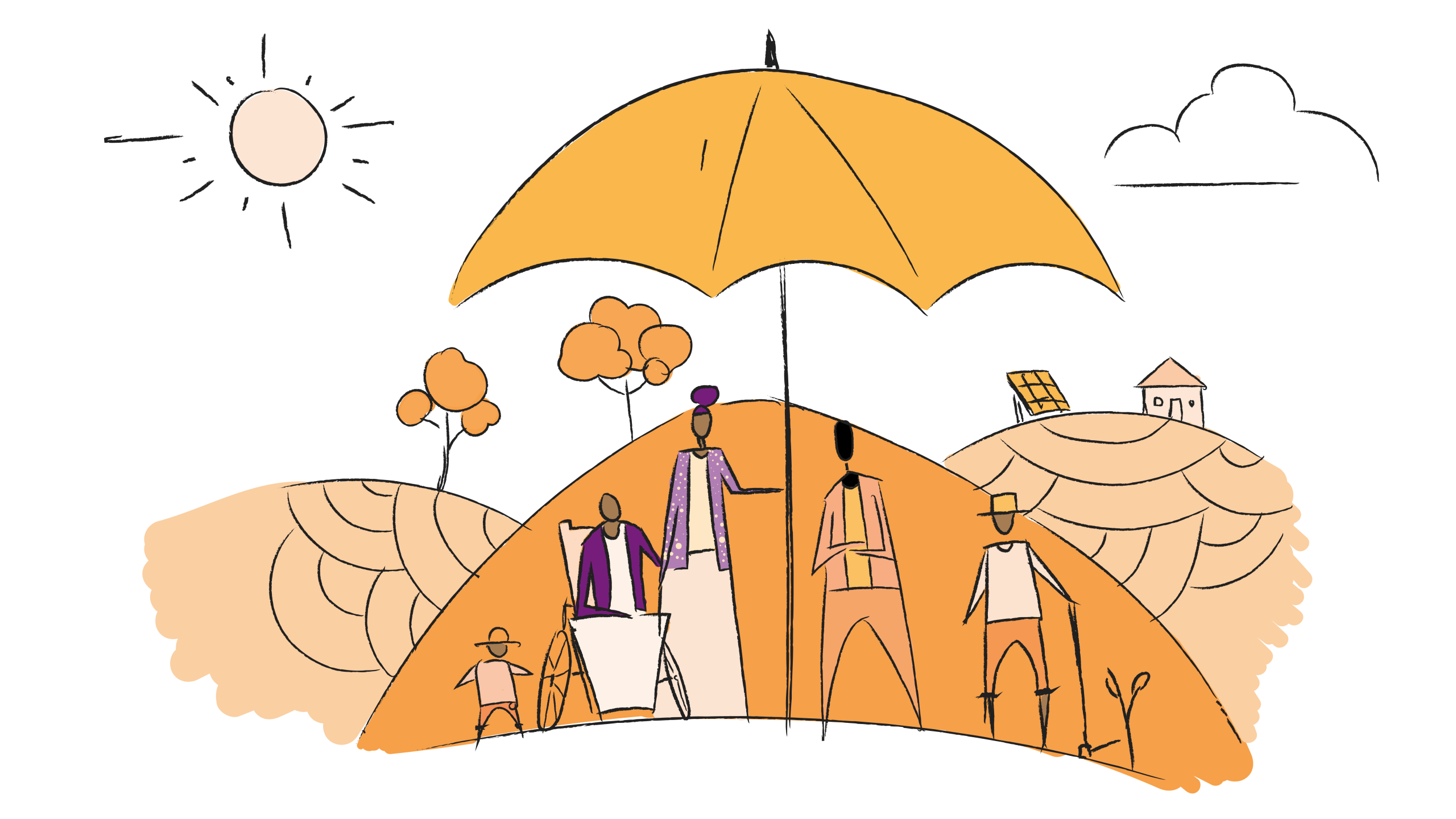
Feminist Knowledge, Learning, Advocacy & Policy Influence
SHINE generates knowledge with communities rather than about communities and turns lived experience into evidence for organising, advocacy and policy change.
This includes community-led research; documentation of women’s experiences of energy poverty, extractivism and climate change; story harvesting and creative mapping; community-generated learning materials; policy briefs and advocacy tools; South–South learning; and bringing grassroots evidence into national, African and global climate, energy and minerals policy processes.
The programme deliberately challenges the separation between knowledge production and movement building: research becomes a tool through which communities analyse power, identify alternatives and advocate for change.
The SHINE Approach
Feminist Participatory Action Research (FPAR)
FPAR positions women and communities as researchers and knowledge producers rather than research subjects. Communities collectively identify questions, document their realities, analyse power and develop actions from the evidence they generate. SHINE uses methods such as story harvesting, community mapping, timelines, body mapping, community dialogues and collective analysis. Importantly, the process moves from knowledge → consciousness → collective action → change.
Feminist Popular Education
SHINE’s popular education approach begins with people’s lived experiences rather than expert knowledge. Through dialogue, storytelling, visual tools, community mapping, theatre, reflection and collective problem-solving, participants connect their everyday experiences to wider structures of patriarchy, extractivism, colonialism, capitalism and climate injustice. The approach is grounded in the principle that everyone teaches, everyone learns and knowledge should build collective power.
Legal Empowerment and Movement Lawyering
SHINE uses law as a tool communities can understand, claim and reshape. Rather than relying exclusively on lawyers and courts, women learn about their rights relating to land, water, minerals, environmental protection, energy, consultation and participation. Communities are supported to document violations, engage authorities and companies, use administrative and accountability mechanisms, and where necessary connect with public-interest lawyers. The goal is to move communities from simply knowing their rights to exercising collective power to defend them.
Community Organising and Movement Building
SHINE invests in long-term organising rather than one-off workshops. Community assemblies, women’s collectives, young women’s networks and regional ecofeminist spaces enable women to analyse common problems, develop shared demands and undertake collective action. Local struggles are connected across communities and borders so that isolated experiences become movements capable of influencing systems.
Demonstration and Practice-Based Learning
SHINE combines advocacy with practical alternatives. Women-led solar hubs, renewable-energy enterprises and community-controlled technologies demonstrate what a feminist just transition can look like in practice. These initiatives become living laboratories from which communities generate evidence about ownership, livelihoods, care, resilience and energy democracy.
Ecofeminist Policy Advocacy
SHINE takes knowledge generated through community organising and FPAR into national, regional and international policy spaces. Instead of advocacy being detached from communities, women’s experiences, evidence and demands form the basis of engagement on climate finance, critical minerals, energy policy, just transition and environmental governance.
South–South Solidarity
SHINE connects movements and practitioners across Africa and with movements in Latin America and Asia. Multilingual dialogues, exchanges, webinars and convenings enable communities to share strategies and alternatives while recognising that solutions cannot simply be transferred from one context to another.