Mary Joji
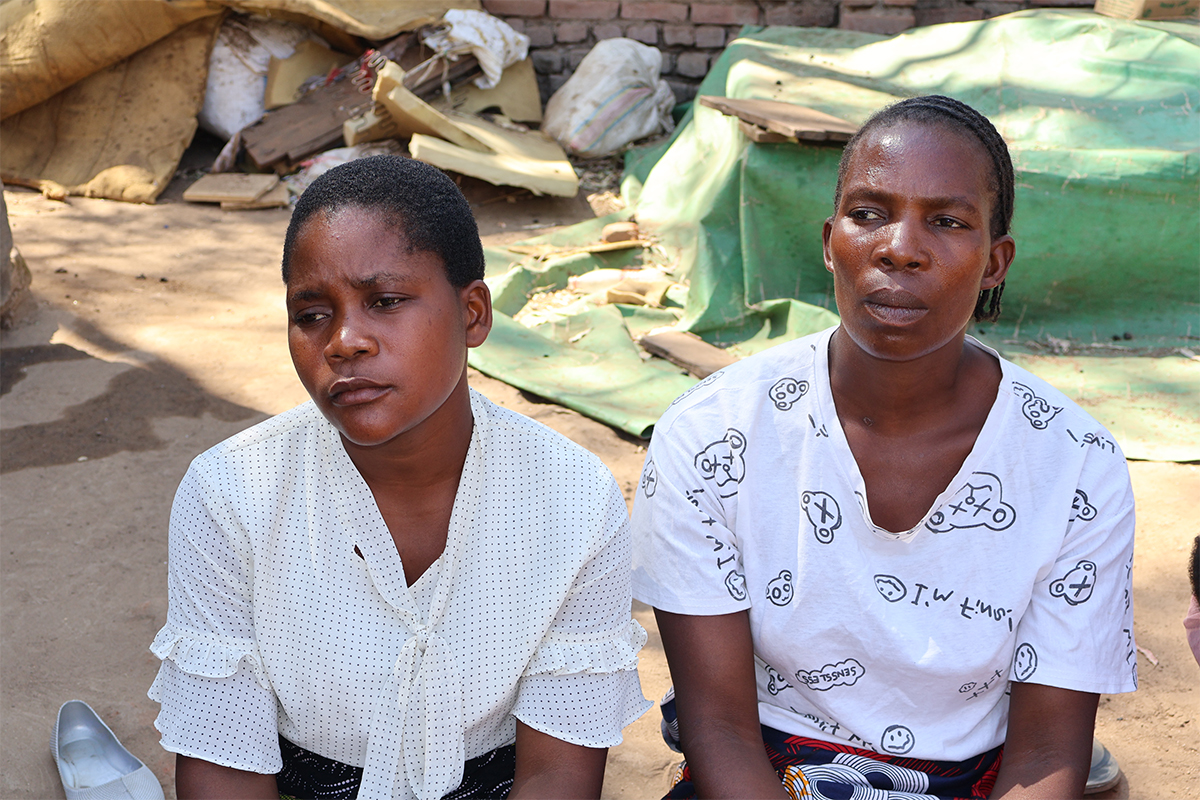
I am a woman of Lirangwe, and since 2022 I have been an artisanal miner, a gweja soldier, as we are known. Before that, I was searching, thinking hard about how I would build a livelihood with no capital behind me. It was people from Ntcheu who first brought artisanal gold mining to our river; I watched them, learned from them, and understood that this was work requiring not money, but hands, patience, and the land I already stood on. From that year to this one, the river has been my workplace and my provider.
It is not an easy life. The labour is taxing on the body, some days I am sick and cannot make the walk to the river, and on those days I have no income at all. There is no employer to call, no sick leave, no safety net beneath me. A gweja soldier is someone who shows up anyway, who finds the strength even when the body resists, because there is no other door to survival. That is the woman I have had to become.
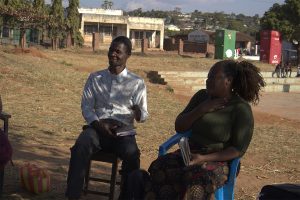
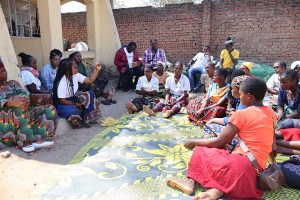
What changed for me was SHINE Collab arriving in our community, they came to the riverbed. We were working as individuals, each of us scraping for ourselves at the riverbank, with no organisation to protect us from unfair prices set by the middlemen who buy our gold. SHINE helped us see our own power: that twenty of us together are stronger than twenty of us alone. We formed a group, the Gweja Sisters, and we now meet every Wednesday. We are building a Village Savings and Loan scheme together, and going forward we plan to hold and sell our gold as a collective, so no single one of us can be underpaid or exploited in isolation.
SHINE also gave us the word ecofeminism, and when I heard what it meant, I recognised our own practice in it immediately. As women artisanal miners, we do not use harmful chemicals to boost our yield, because we understand; the way our ancestors understood before us; that this river must still serve the whole community: for livestock to drink, for fish to live in, for households to draw water from. We are not just extracting from this land; we are its custodians. Ecofeminism named something we were already living, and gave us the confidence to say it out loud: that women are the guardians of this environment, and our care for the land is not separate from our fight for our own survival.
Because of SHINE, our stories are no longer buried the way the gold once was. They are being heard, and I believe they will reach and inspire other women artisanal miners elsewhere, women who are still working alone, still unseen. I want to keep learning inside SHINE’s collective spaces, about climate justice, about how other Gweja Sisters across the region are organising against exploitation, and about how we protect this river for the generations who will need it after us.